Easy Lake Food Pack-Perfect Picnic Meals
Packing food to bring to the lake is an art form, and I’m here to share my secrets for creating the ultimate lake day spread. There’s nothing quite like a day spent by the water, but a good meal can elevate the entire experience from great to unforgettable. We all love the simple joy of a picnic, but when it comes to the lake, it’s about more than just sustenance; it’s about creating delicious, portable bites that can withstand a little sunshine and a lot of anticnon-alcoholic ipation. What makes these recipes so special? They’re designed to be enjoyed outdoors, require minimal fuss, and pack a serious flavor punch. Forget soggy sandwiches and lukewarm everything – we’re talking about vibrant, satisfying dishes that will have everyone asking for the recipe. Get ready to make your next lake outing a culinary triumph with these fantastic ideas for packing food to bring to the lake!
Packing Food to Bring to the Lake
A perfect day on the lake is about sunshine, good company, and delicious food. But packing the right food can be a game-changer, especially when you’re spending the entire day out on the water. Forget soggy sandwiches and lukewarm drinks. We’re talking about food that’s refreshing, satisfying, and easy to eat without a full kitchen. This guide will walk you through creating a fantastic lakeside feast, using some of the best essentials for a day of fun.
Ingredients:
Cooking Instructions:
The key to successful lake food is preparation and smart packing. We’re not really “cooking” at the lake in most cases, but rather assembling and keeping things fresh. Think of it as a gourmet picnic assembly.
Phase 1: The Foundation – Keeping it Cool
The absolute most critical element for any food you bring to the lake is temperature control. This is where your ‘Cooler(s)’ and ‘Ice packs or block ice’ come into play.
Phase 2: Assembling Your Lakeside Menu
This is where the fun happens, preparing food that’s delicious, portable, and easy to enjoy in a casual setting.
Phase 3: Snacks and Hydration – Keeping Energy Levels Up
Long days on the water can be surprisingly tiring. Having easy-to-grab snacks and plenty of fluids is essential.
Don’t forget to pack ‘Paper towels or reusable cloths’ for easy clean-up and ‘Trash bags’ to ensure you leave your beautiful lakeside spot as clean as you found it. Having a well-packed cooler means you can focus on enjoying all the amazing things the lake has to offer, like cruising on a pontoon boat or relaxing on large water floats.
Conclusion:
There you have it – a fantastic guide to packing food for a perfect day at the lake! These recipes and tips are designed to be delicious, easy to transport, and most importantly, enjoyable without fuss. The beauty of these lake-friendly meals lies in their simplicity and how well they hold up in a cooler, ensuring you have satisfying and tasty options throughout your outdoor adventure. We’ve covered everything from hearty sandwiches and refreshing salads to portable snacks that are guaranteed crowd-pleasers. Remember, the goal is to spend more time enjoying the sun and water and less time worrying about complicated food prep.
Don’t be afraid to get creative! These recipes are fantastic starting points for your own culinary adventures. Feel free to swap out proteins in your wraps, experiment with different dressings for your pasta salad, or add your favorite fruits to the trail mix. The most important thing is to get out there and try these ideas. Packing food to bring to the lake doesn’t have to be a chore; it can be an exciting part of planning your perfect getaway. So gather your ingredients, pack your cooler, and head out for a memorable day by the water!
Frequently Asked Questions:
What are the best types of containers for packing food for the lake?
For packing food to bring to the lake, airtight, leak-proof containers are your best friends. Look for durable plastic or glass containers with secure lids. Insulated bags and coolers are essential for keeping your food at a safe temperature, especially for perishable items. Consider using reusable ice packs or frozen water bottles to keep everything chilled throughout the day. For dry snacks, resealable bags work well to keep them fresh and prevent spills.
Can I prepare some of the food the night before?
Absolutely! Preparing as much as you can the night before will make your lake day much more relaxed. Many components of these recipes, like chopped vegetables for salads, cooked grains, or marinating meats, can be done ahead of time. Sandwiches can also be assembled the morning of, but consider packing condiments separately to prevent soggin extractess. This is a great way to maximize your enjoyment time at the lake.
What are some good vegetarian or vegan options for a lake trip?
There are plenty of delicious vegetarian and vegan options! For sandwiches, consider hearty hummus and veggie wraps or grilled vegetable and tofu pitas. Large grain salads like quinoa or couscous packed with roasted vegetables and a zesty vinaigrette are excellent choices. Fruit salads, veggie sticks with dip, and trail mix are naturally vegan snacks. Bean salads and pasta salads can easily be made vegetarian or vegan by omitting cheese and using a plant-based dressing.
Packing Food to Bring to the Lake
A guide to packing essential and delicious food for a fun day at the lake.
Ingredients
-
Sandwiches
-
Salads
-
Fruit salad
-
Chips
-
Cookies
-
Water bottles
-
Juice boxes
Instructions
-
Step 1
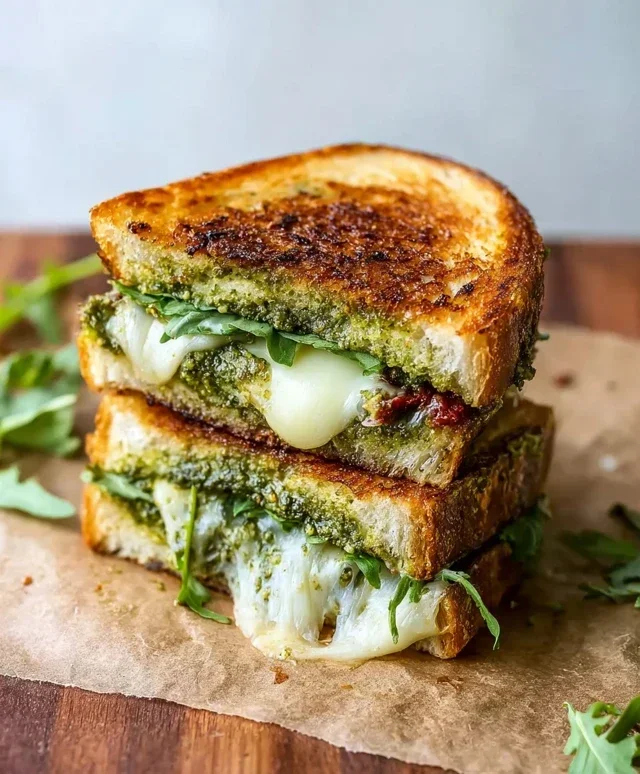
Prepare sandwiches with your favorite fillings. Consider non-perishable options for easy transport. -
Step 2
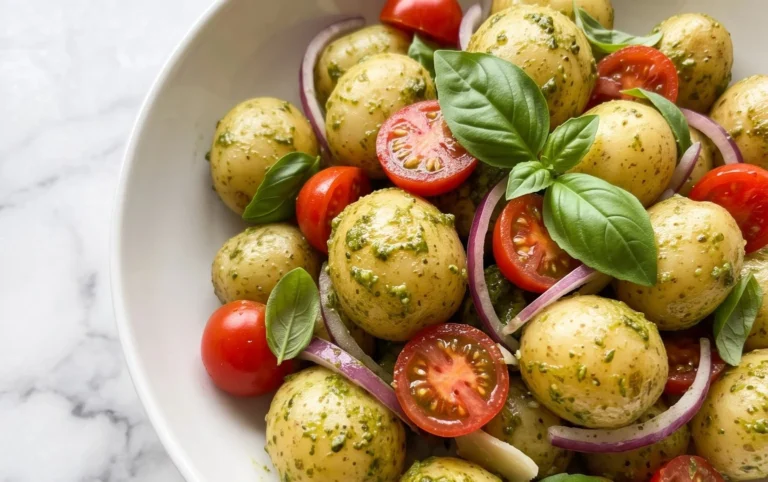
Pack a variety of salads, such as pasta salad or potato salad. Ensure they are in airtight containers. -
Step 3
Assemble a refreshing fruit salad with seasonal fruits. -
Step 4
Include pre-portioned bags of chips or other crunchy snacks. -
Step 5
Bake or buy a batch of cookies or brownies for a sweet treat. -
Step 6
Fill reusable water bottles with plenty of water. Add juice boxes for variety. -
Step 7
Utilize the ‘Ultimate List of Essentials to Pack for a Day on the Lake’ to ensure you don’t forget any food items.
Important Information
Nutrition Facts (Per Serving)
It is important to consider this information as approximate and not to use it as definitive health advice.
Allergy Information
Please check ingredients for potential allergens and consult a health professional if in doubt.